Santals of Bangladesh

Santals had been living in the north of this country for a very long time. The colours & patterns they withhold among them & the culture they have are very different & very bright compared to the lot of other ethnic people residing in this country.

The most vibrant part of their culture is their unique way of colouring their houses. The patterns they create are uniquely beautiful & eye catching. There are two types of Santals, one who are Hindu & one who are Catholic Christians. During the festival of Diwali the Hindu Santals paint their houses & during christmas the Catholic Santals paint their respectively. They are very creative & they arrange their house in a very proper way which had been forever going on for generations.

Some of the noted festivals they celebrate are Sohrai, Bandana, Christmas & the most colourful one is the wedding. The whole colouring of the house revolves around these festivals.

Santals mostly resides in the north of Bangladesh such as Chapaynabaganj, gaibandha, Rajshahi, dinajpur. Being one of the ethnic group of this country they are indeed a very colourful bunch of people & for that we as a whole nation should preserve this very unique cultures that has been breathing for ages. Some recent issues caused a lot of damages to them as they are one of the group which is slowly fading away & if this continues our next generation would fail to know that there was such an ethnic tribe of people with so much colour.

IMG_8868IMG_8892IMG_8843IMG_8965IMG_8874IMG_8831054a9747054a9743054a9430pronob-ghosh054a0156pronob-ghosh054a9557pronob-ghoshpronob-ghosh054a9929pronob-ghosh054a9447pronob-ghosh

Tora (Kaliganga River)

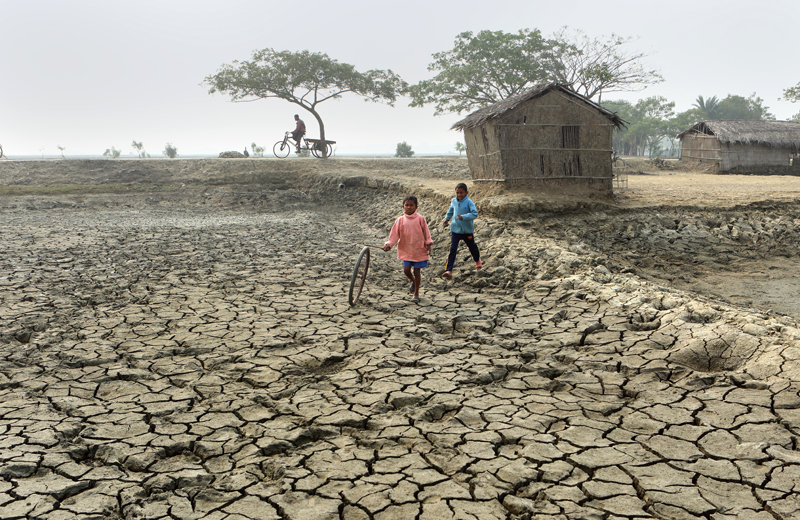
The name of the river is Kaliganga. It is situated in the Manikganj district. Trough out the year a cycle of different life style is seen. During winter it is time for cutting soil or working in the field because during winter the river dries up and it is easier to do cultivation there. Some people grazes cow in the dry lands or some are busy catching fish or in soil cutting. The village Tora is situated by the river. Most of the people are either farmer or fisherman. The main source of their life is this river. During monsoon everything is completely drowned but during winter there is vast change in the scenario. It’s a 43km drive from Dhaka.

054A6187_MG_5881_MG_5878054A0195_MG_5467-Edit_MG_5328-Edit-Edit054A9223_MG_9999-Edit054A9272_MG_5886IMG_2129_MG_5683-Edit_MG_5826-Edit054A0268

Drought

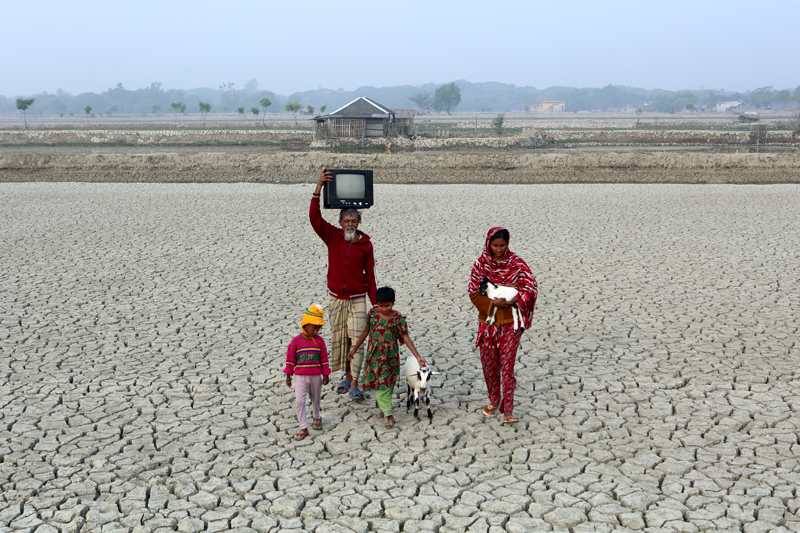
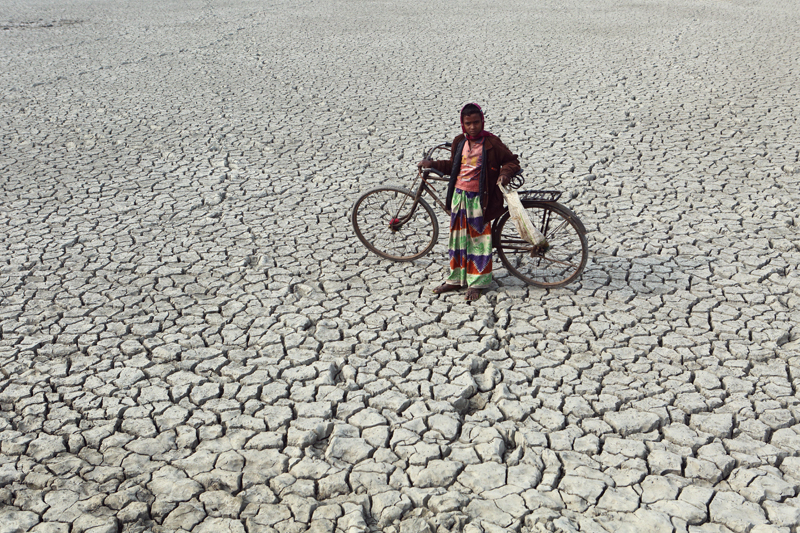
Every five years, Bangladesh is affected by the major country-wide droughts. However, local droughts occur regularly and affect crop production. The agricultural drought, linked to soil moisture scarcity, occurs at different stages of crop growth, development and reproduction. Monsoon failure often brings famine to the affected regions and as a result crop production reduces drastically. Northwestern regions of Bangladesh are particularly exposed to droughts. A strong drought can cause greater than 40% damage to broadcast aus. During the kharif season, it causes significant destruction to the t.aman crop in approximately 2.32 million ha every year. In the rabi season,

about 1.2 million ha of agricultural land face droughts of different magnitudes. Apart from the agricultural loss, droughts have important effect on livestock population, land degradation, health and employment.

054A0572054A0829up2Up1054A9700updd054A0707

Flood in Bangladesh

054A5347Pronob Ghosh054A6031054A8530054A5920054A8577

Rice Mill

IMG_8885Pronob Ghosh IMG_8982Pronob Ghosh IMG_9024Pronob Ghosh IMG_9062newPronob GhoshPronob Ghosh IMG_9071Pronob GhoshPronob Ghosh IMG_9168Pronob GhoshPronob Ghosh IMG_9087Pronob Ghosh

Floating Market Bangladesh

054A5018up2guava054A4727054A4721054A5058054A4774